


 | Blog |
5 Feb 2026
Amazon Opens Its Ad Stack to AI Agents With MCP Rollout
Amazon has announced a major infrastructure change to how advertising workflows are executed on its platform.
At IAB’s Annual Leadership Meeting, Amazon revealed the open beta of the Amazon Ads Model Context Protocol (MCP) Server. This is not a new ad format or reporting feature. It’s a system-level update that changes how tools, agents, and platforms can interact with Amazon Ads.
This move opens Amazon’s ad stack to AI agents through a single, standardized integration, rather than building custom connections for every task.
On the surface, it sounds technical. In reality, it signals a shift in how advertising will be executed on Amazon going forward.
What the MCP rollout actually introduces
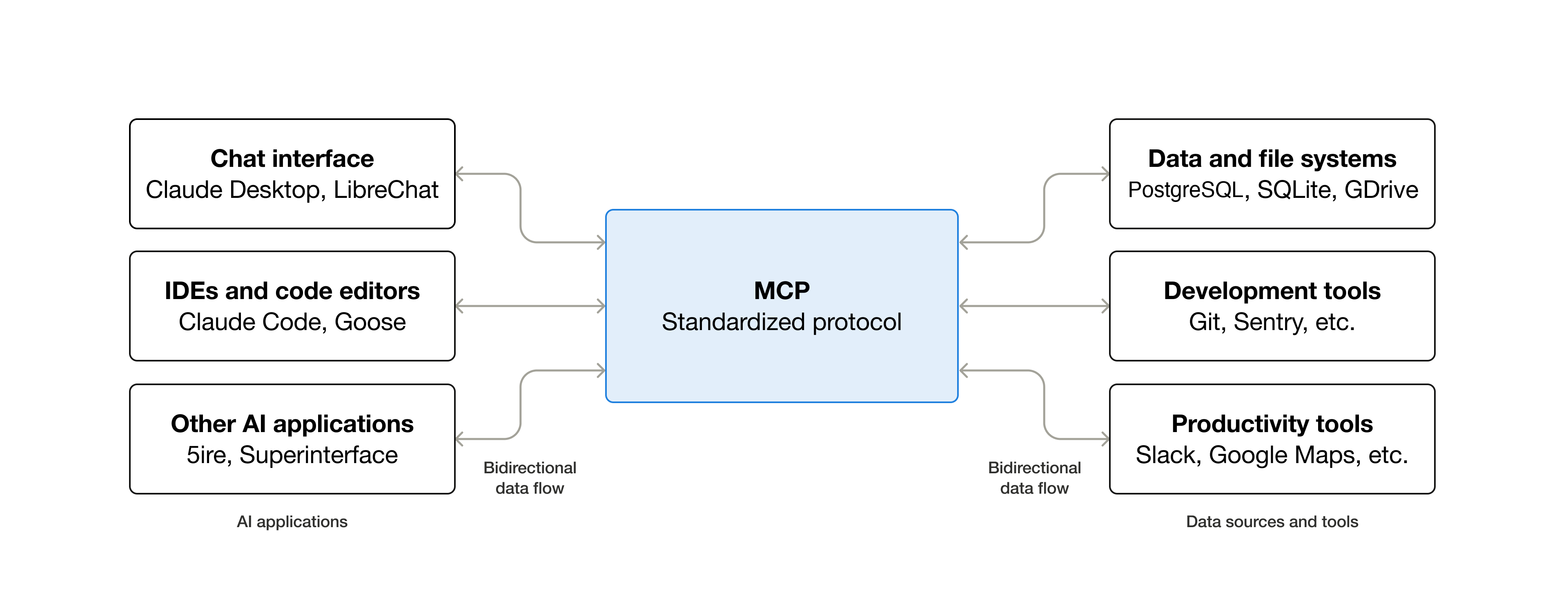
The MCP Server acts as a middle layer between AI agents and Amazon Ads systems.
Instead of hard-coding multiple API connections, advertisers and ad tech partners can now connect AI agents to a single shared protocol that translates natural-language requests into structured Amazon Ads API actions.
In practical terms, once connected, an AI agent can:
• Create and manage campaigns
• Adjust budgets and bids
• Manage products and portfolios
• Pull performance reports
• Run common workflows without manual setup
Amazon describes MCP as a “translator” that lets AI tools communicate with Amazon Ads in a standard way, rather than relying on custom-built integrations for each workflow.
The protocol is built on Model Context Protocol, an open standard originally developed by Anthropic.
Why Amazon built MCP tools around “common actions.”
Advertising workflows rarely happen in a single step.
Creating a campaign, adjusting spend, or analyzing performance usually requires multiple actions across different systems. MCP introduces what Amazon calls “tools for common actions” — bundled instructions that allow agents to execute multi-step workflows through a single conversational prompt.
Instead of an agent needing to understand:
• Which API to call
• Which version to use
• How steps are sequenced
MCP provides that structure upfront.
This reduces the agent’s cognitive load and lowers the risk of incorrect execution.
What Amazon learned from early internal testing
Amazon shared examples from internal testing that explain why MCP matters.
In one test, an AI agent was asked to generate a path-to-conversion report. Without guidance, the agent wrote its own logic and processed more than three years of data in Amazon Marketing Cloud — even though existing APIs could have delivered the answer.
In other cases, agents selected technically valid but outdated API versions — something a human developer would typically avoid.
MCP tools are designed to prevent this behavior by providing agents with explicit instructions on how to execute common advertising workflows.
Instead of reasoning about infrastructure, agents can focus on decisions and outcomes.
How does this fit into the broader Amazon Ads direction
This open beta follows a closed MCP pilot Amazon ran last year and mirrors similar standardization efforts across ad tech.
More importantly, it fits a broader pattern:
Amazon Ads is moving away from rigid, manual workflows and toward agent-led automation.
This comes alongside:
• Faster campaign setup tools
• More AI-driven optimization features
• Simplified reporting and analytics layers
At the same time, Amazon leadership has publicly discussed agentic commerce as a future direction, where AI agents play a larger role not just in advertising, but in how consumers discover and purchase products.
Amazon’s ad business grew 24% year over year to $17.7B in Q3 last year. Infrastructure like MCP is designed to support scale without increasing operational complexity.
What this means for advertisers and brands
This is not something most advertisers will “use” directly tomorrow.
But it changes the foundation on which tools, agencies, and platforms are built.
Over time, this enables:
• Fewer manual operations inside ad consoles
• More automation driven by intent and rules
• Faster execution of repeat workflows
• Better integration between analytics, media, and decision-making
The skill set shifts from clicking and configuring to designing systems, rules, and signals that agents can execute correctly.
Early rollout, clear direction
The MCP Server is now in open beta, following months of closed testing with selected partners.
Amazon hasn’t shared how many advertisers participated early, but the direction is clear:
Amazon Ads is being built to support AI agents as first-class operators inside its ecosystem.
The long-term outcome is not fewer people in advertising, but fewer repetitive actions and more focus on strategy, structure, and performance signals.
The real question for brands and agencies is simple:
Are your Amazon Ads systems built to be agent-ready, or are they still designed only for humans clicking buttons?
If you want analysis focused on how these shifts affect Amazon’s performance, ads, and category dynamics, follow the ANavigator Weekly Amazon Digest or explore deeper breakdowns on anavigator.co.
If you need help with your product or brand,
Contact the ANavigator team: info@anavigator.co
We help Amazon brands with PPC, DSP, analytics, and long-term growth decisions.
— The ANavigator Team


Content is being updated


